



Filters
5 products
Frequently Asked Questions
What is the most accurate type of counterfeit detector?
What is the most accurate type of counterfeit detector?
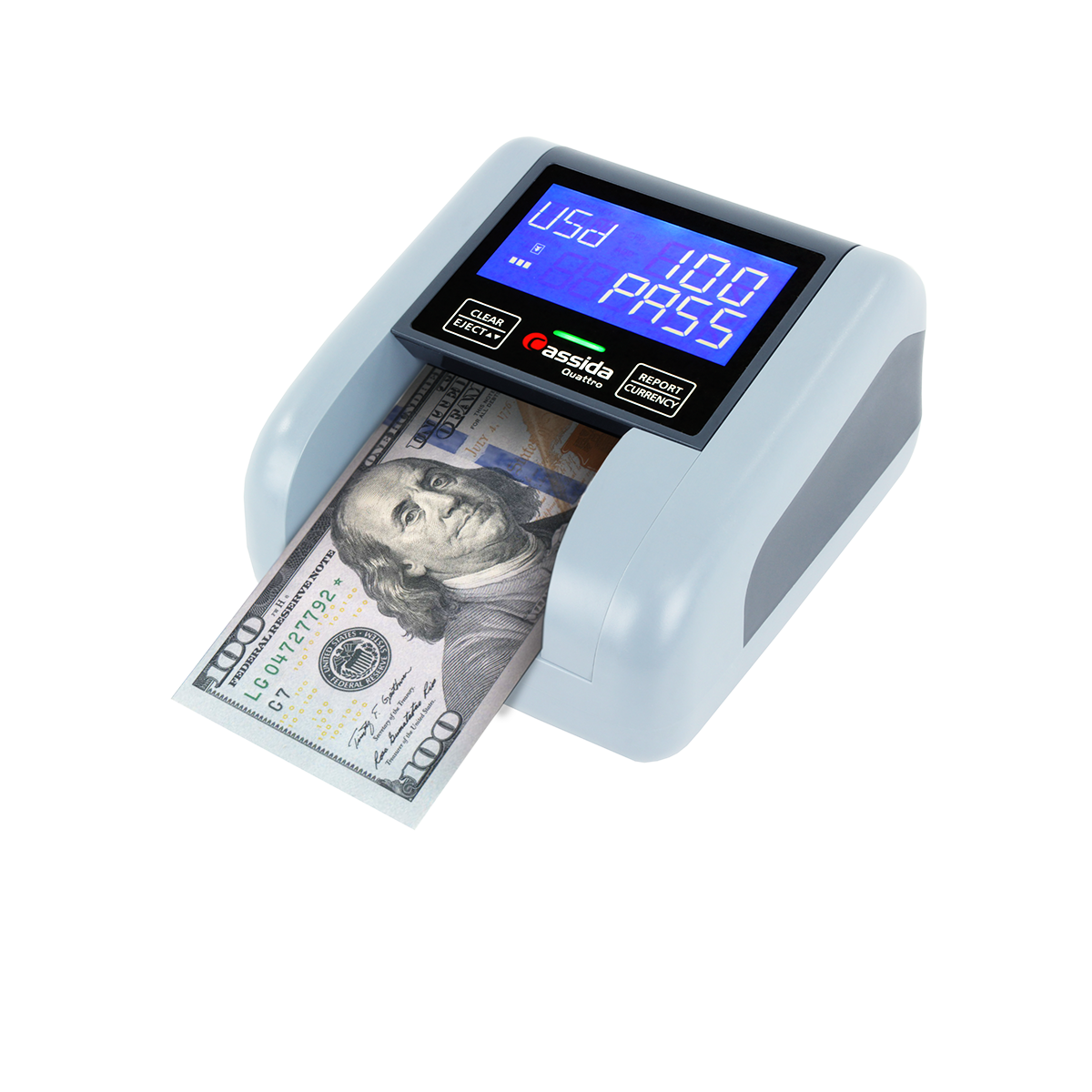
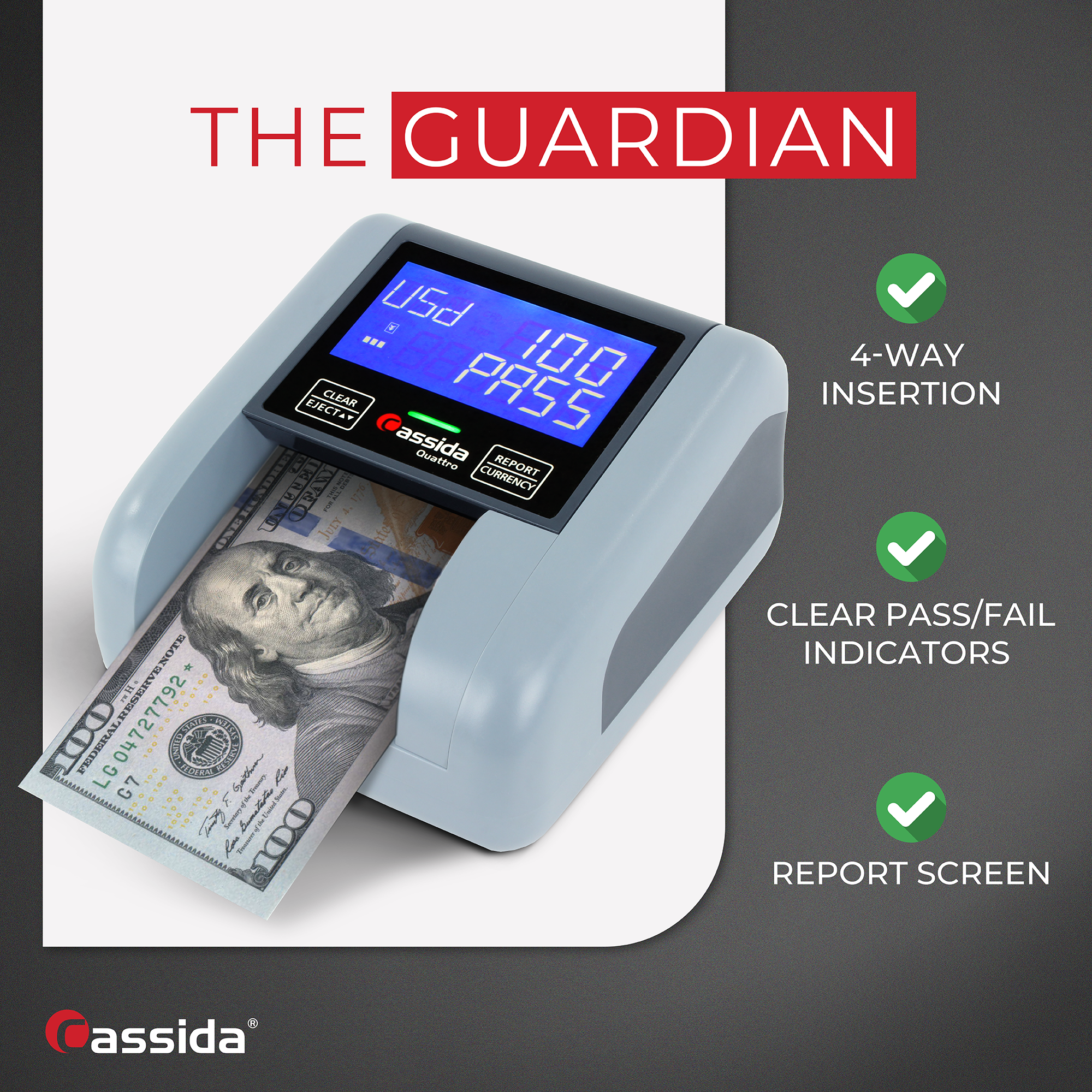
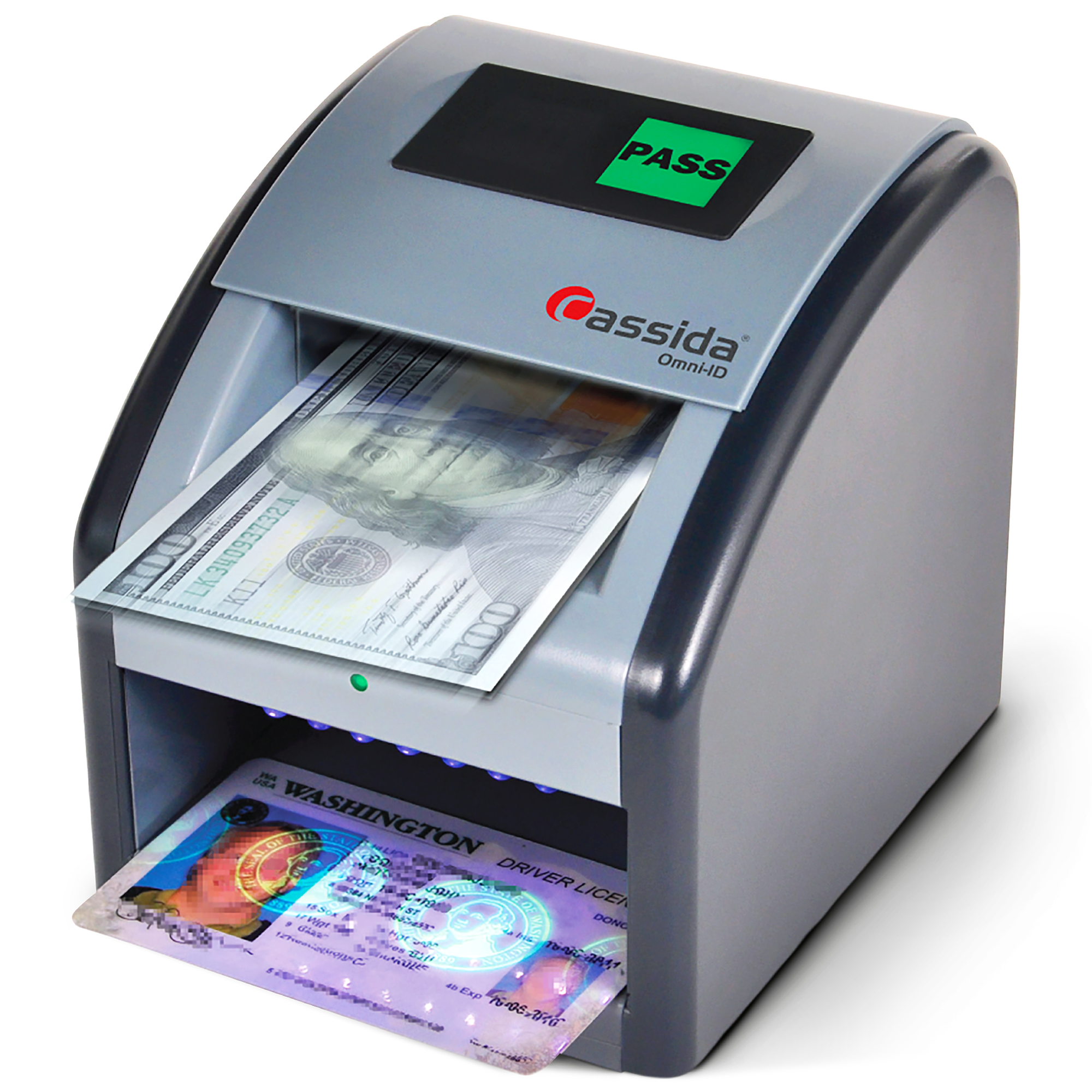
Combination detectors that use UV, magnetic, infrared, and size checks offer the highest accuracy, often above 99.9%. These comprehensive devices can spot advanced counterfeits that single-feature detectors miss. For optimal security, especially in banks and currency exchange offices, opt for combination detectors.
Do counterfeit detector pens really work?
Do counterfeit detector pens really work?
Counterfeit-detection pens offer simple authentication by detecting starch content in paper; however, they have limitations and may miss sophisticated fakes made from authentic currency stock. They serve well for rapid initial screening in lower-volume settings. For dependable security, particularly with larger-denomination bills, consider UV or combination detection systems that examine multiple security elements.
How often should counterfeit detectors be calibrated or maintained?
How often should counterfeit detectors be calibrated or maintained?
The majority of electronic counterfeit detectors require minimal upkeep, typically only routine cleaning of UV lamps and detection sensors every 3-6 months. UV lamps may need to be replaced annually, depending on device use frequency. Firmware upgrades should be applied when released to detect updated currency features. Consistently adhere to the manufacturer's service guidelines to maintain peak authentication performance.
Can counterfeit detectors verify foreign currency?
Can counterfeit detectors verify foreign currency?
Numerous sophisticated counterfeit detectors can authenticate various currencies; however, it is essential to verify that the detector supports the specific currency you intend to use before making a purchase. Combination detection systems featuring configurable parameters generally process international bills more effectively than entry-level units. Review the technical specifications or contact Cassida to confirm that the detector is compatible with every currency your operation processes.
What's the difference between a counterfeit detector and a bill counter with detection?
What's the difference between a counterfeit detector and a bill counter with detection?
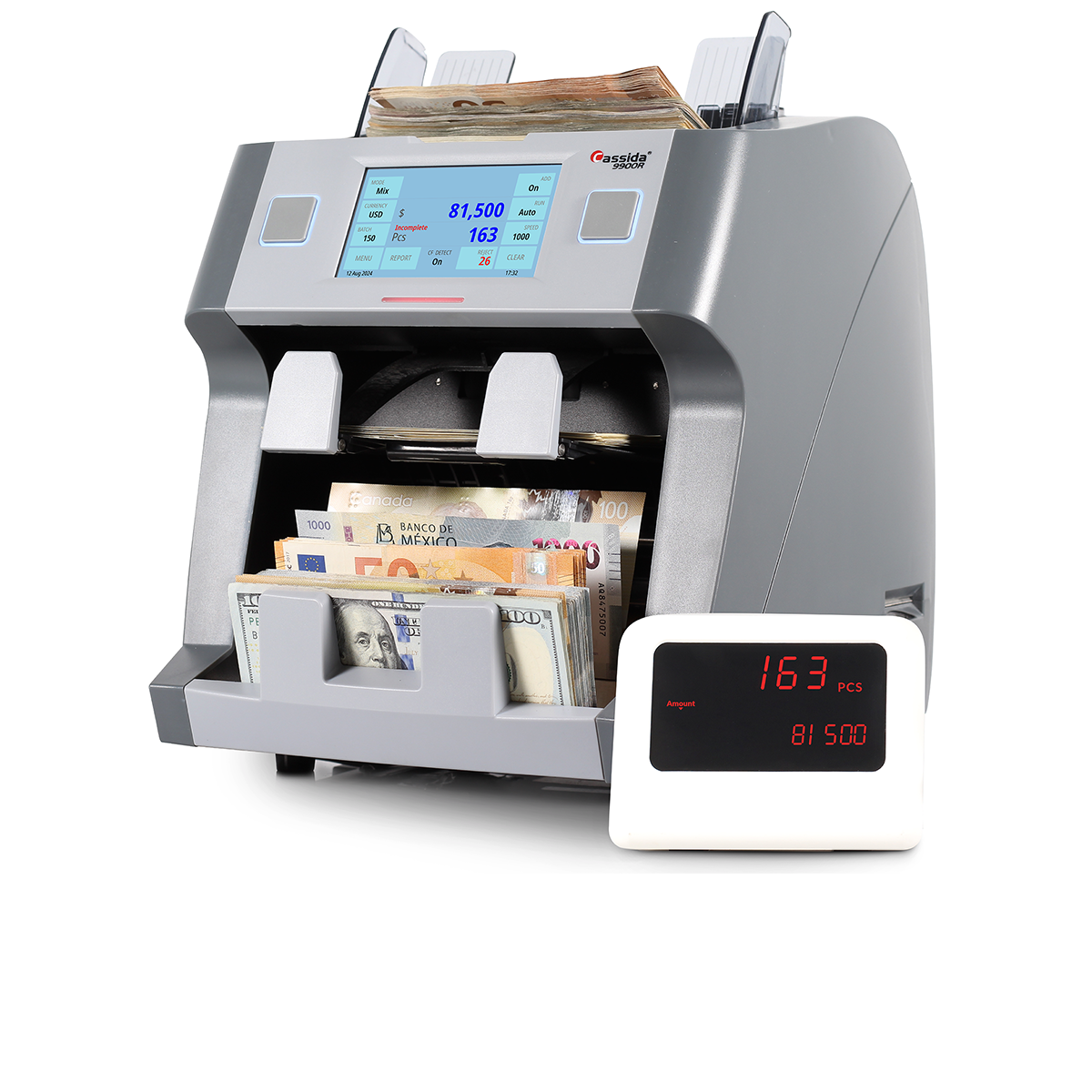
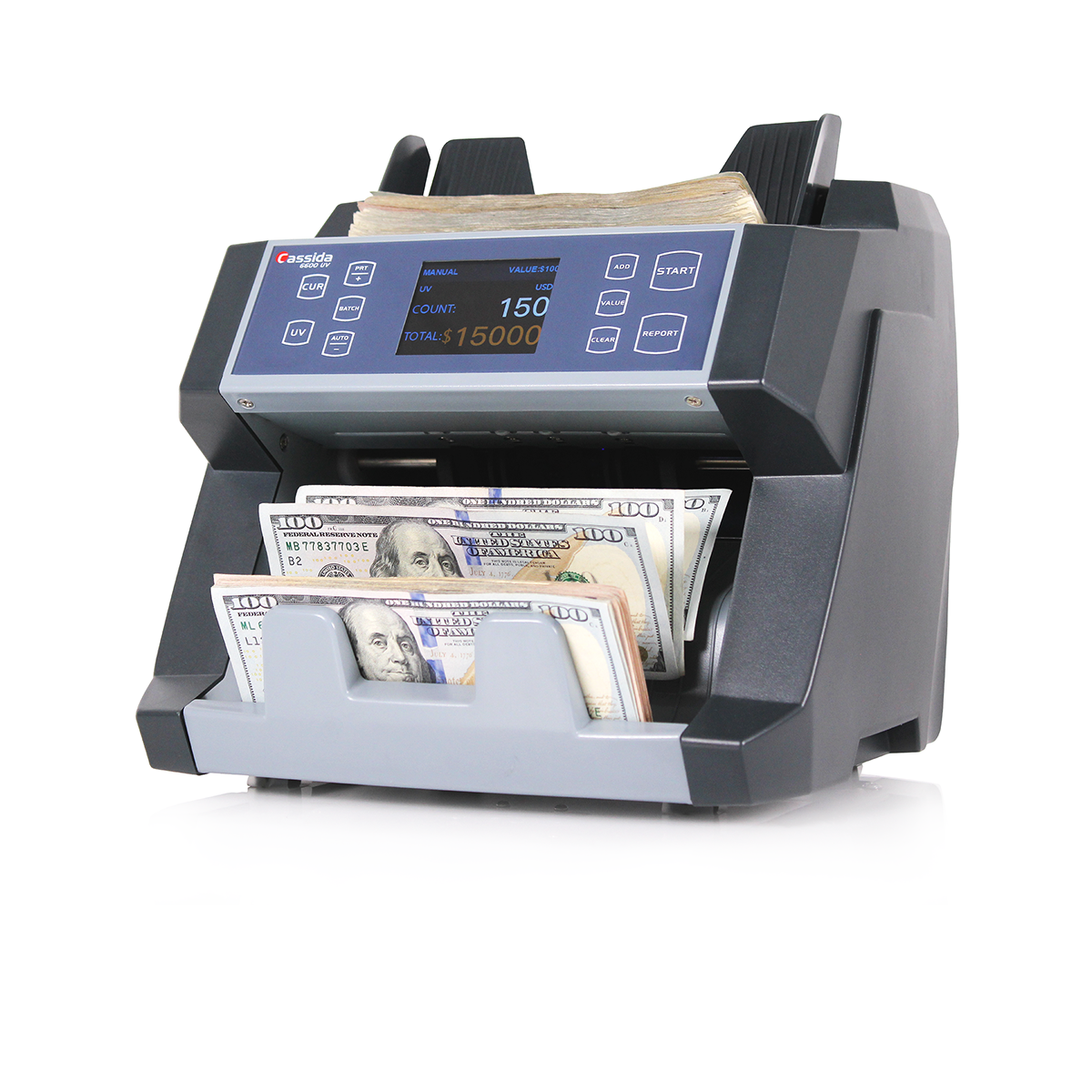
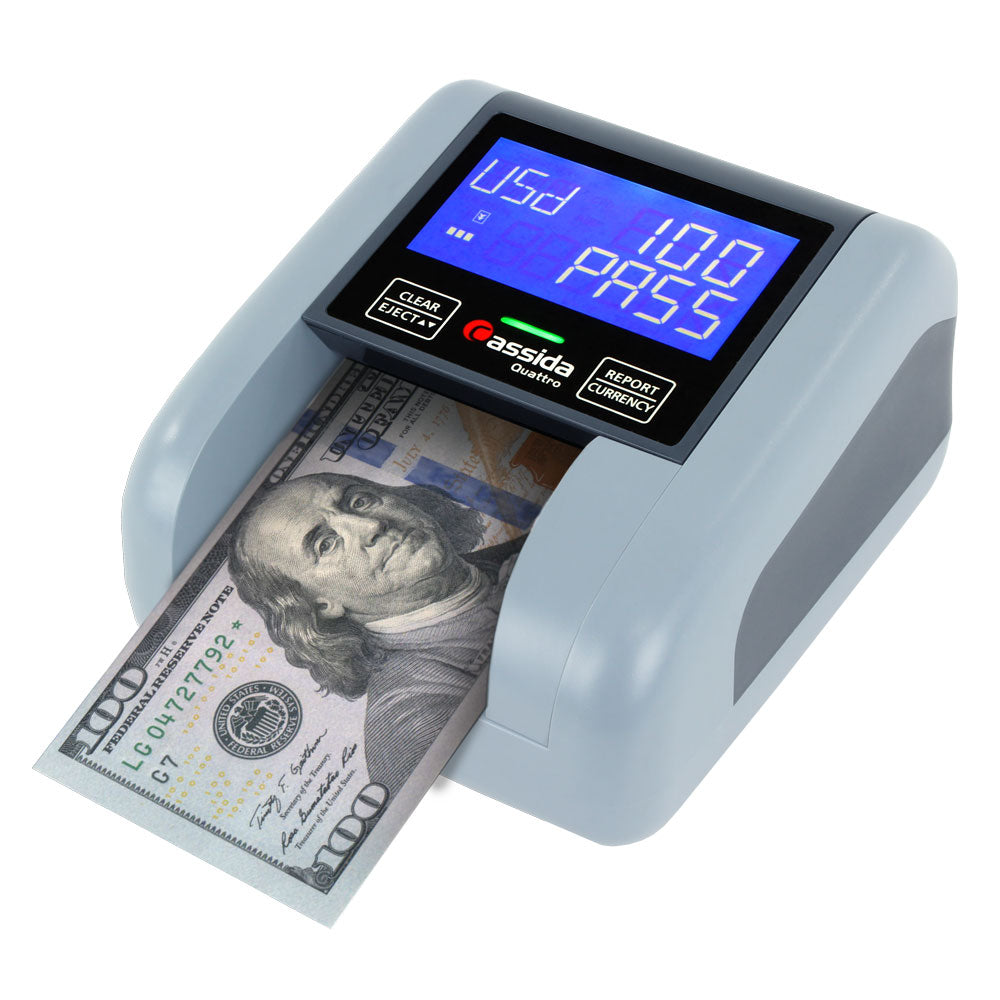
A standalone counterfeit detector focuses exclusively on authentication, utilizing advanced detection technologies, whereas a bill counter with detection combines counting and authentication into a single device. Bill counters with detection, emphasizing processing speed, and might employ fewer authentication techniques, which suits them for high-throughput environments where the majority of currency is genuine. For enhanced security or when examining suspicious bills, a dedicated counterfeit detector provides a more thorough examination.
Are battery-powered counterfeit detectors as reliable as plug-in models?
Are battery-powered counterfeit detectors as reliable as plug-in models?
Battery-operated detectors offer strong reliability for mobile applications and sites with an unstable electrical supply, although they may feature somewhat weaker UV illumination than AC-powered units. Contemporary battery-driven models provide precise authentication for typical counterfeit-detection requirements. Select AC-powered units for nonstop high-capacity operation and battery-operated alternatives for portability and emergency backup.